Product Description
Multi-Peptide Inflammation & Regeneration Research Blend
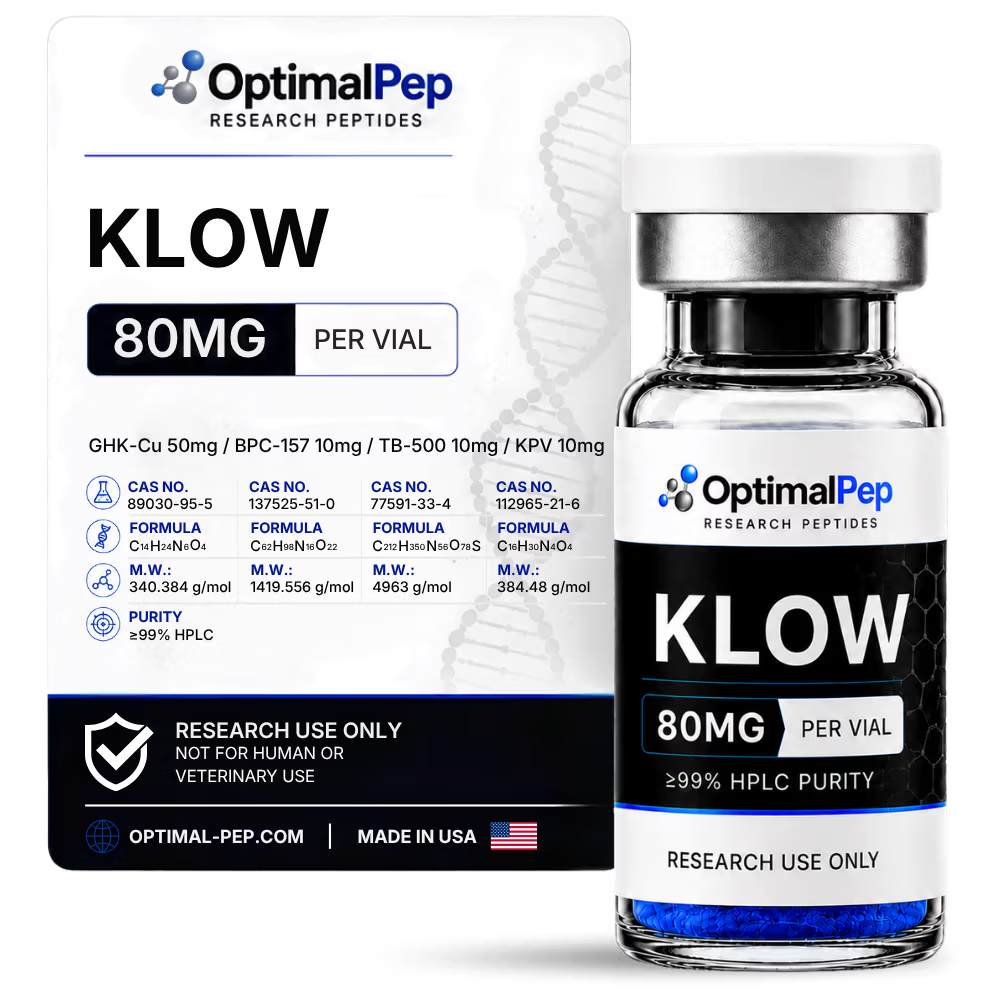
KLOW is an advanced peptide blend containing
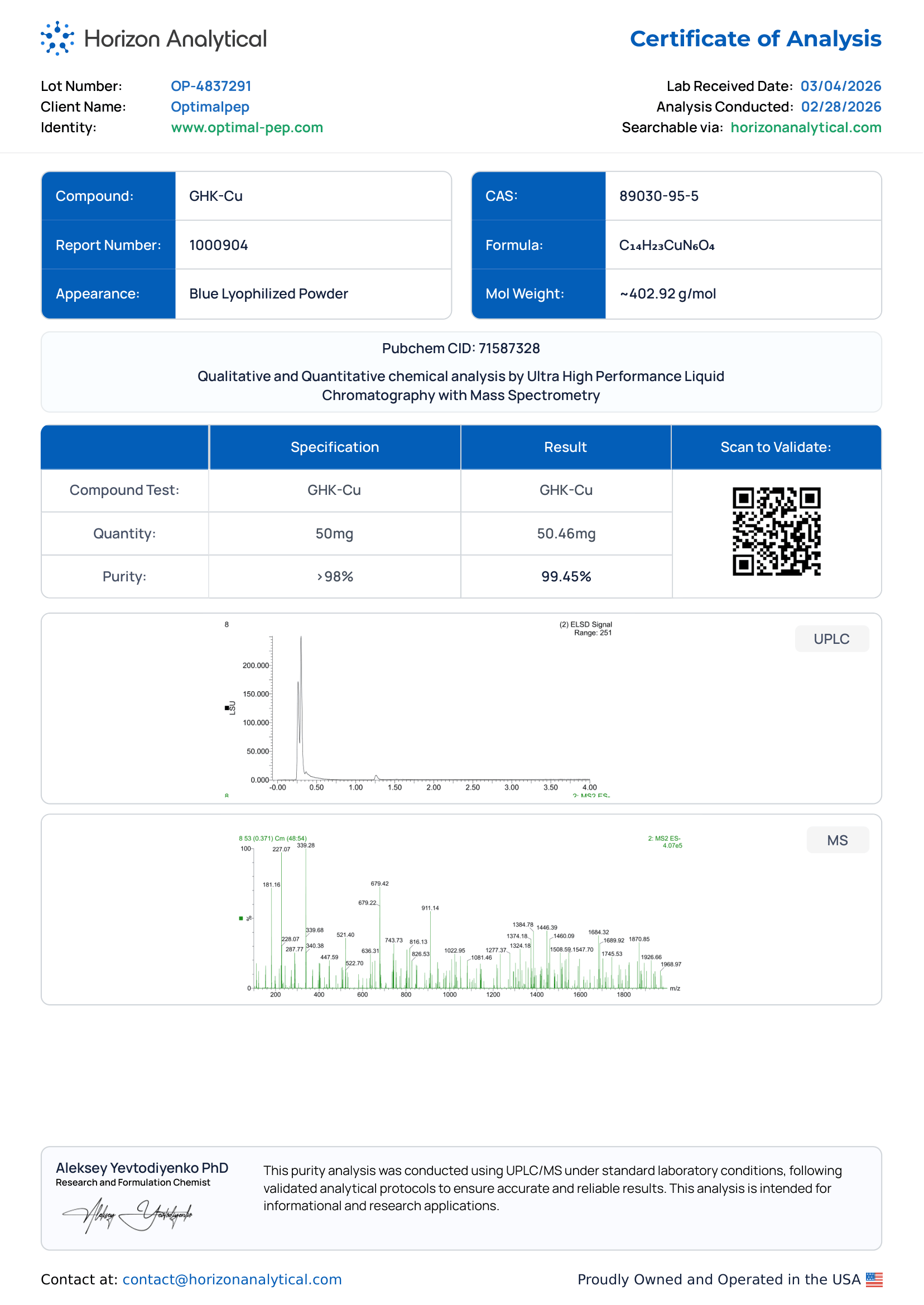
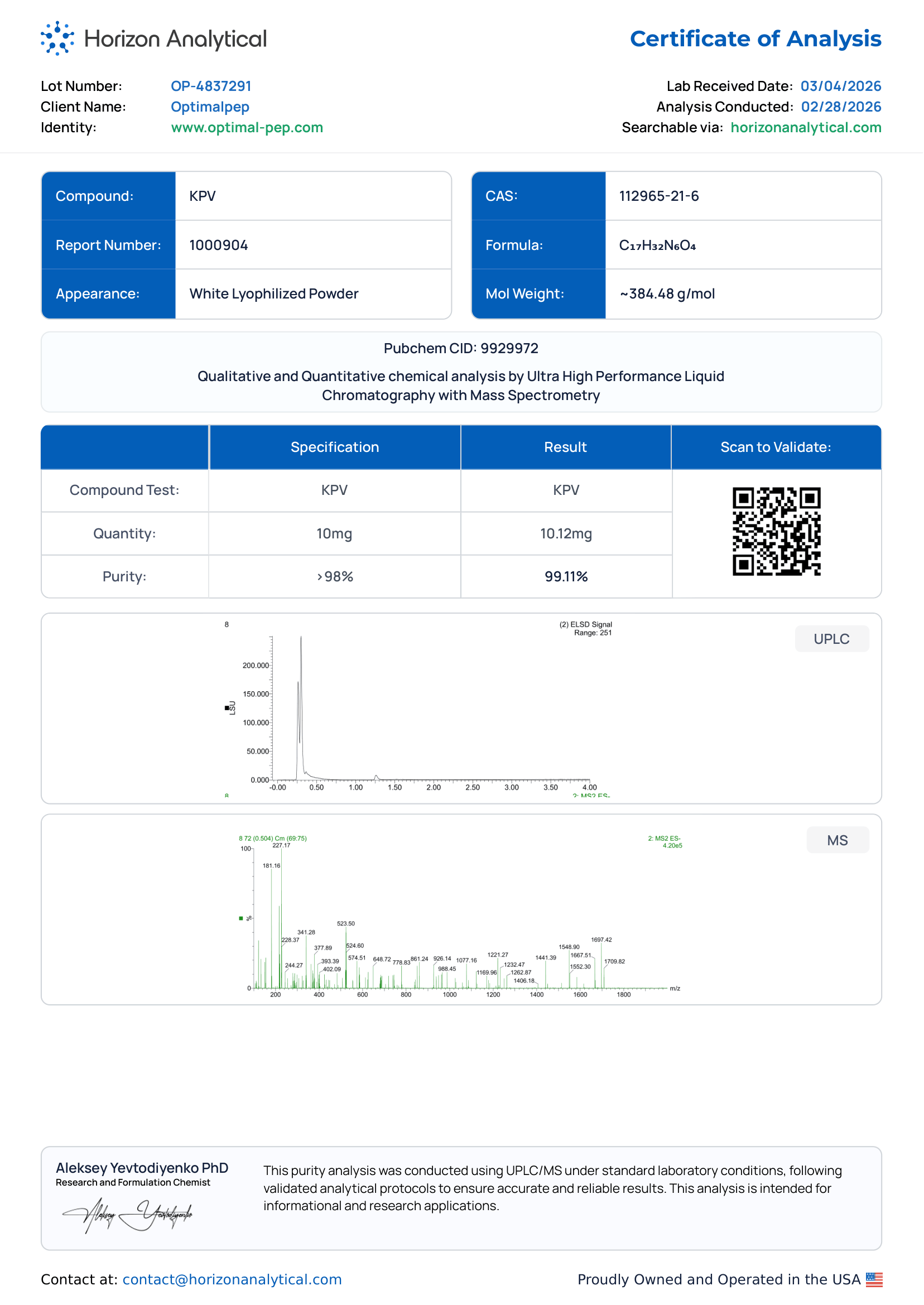
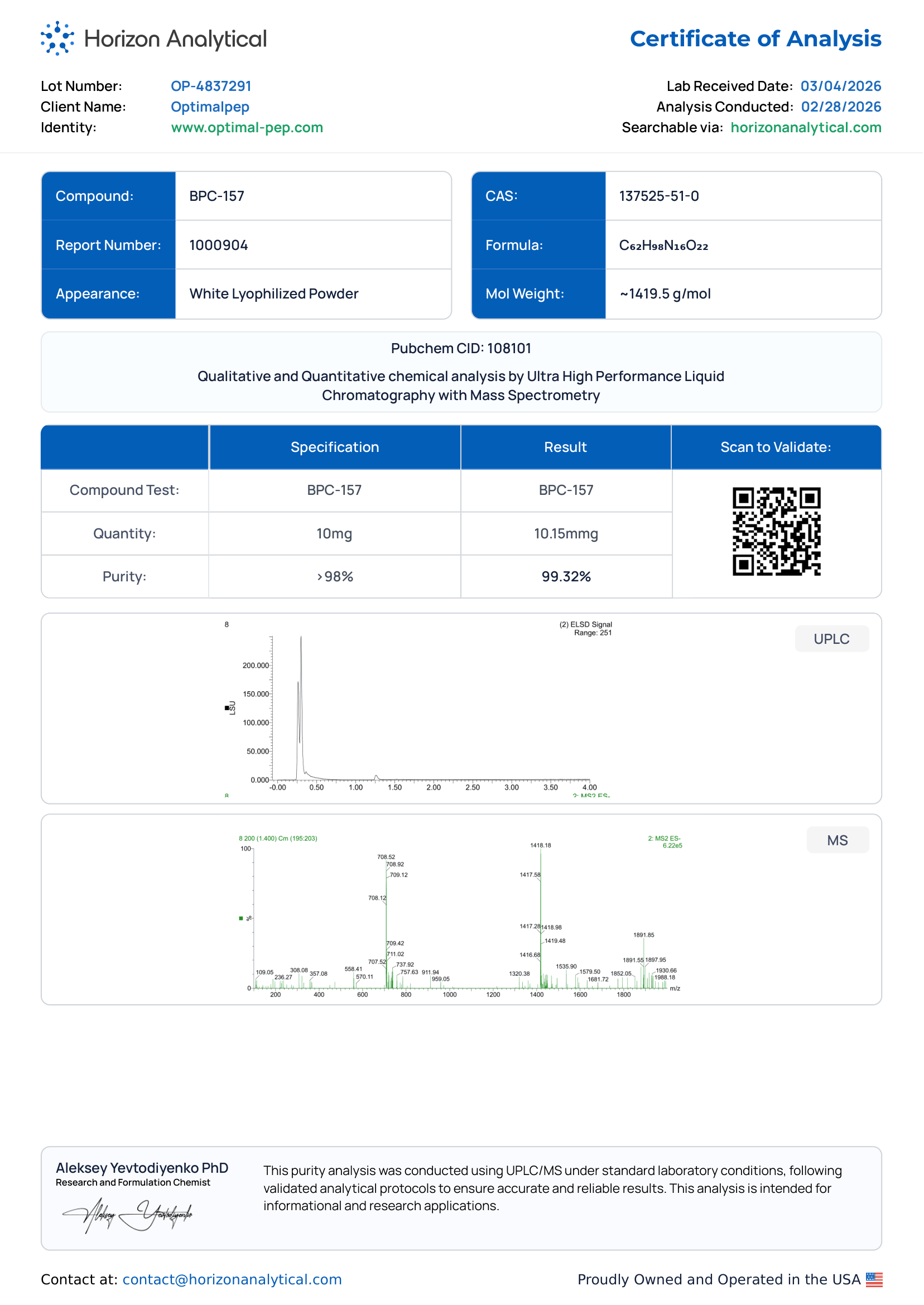
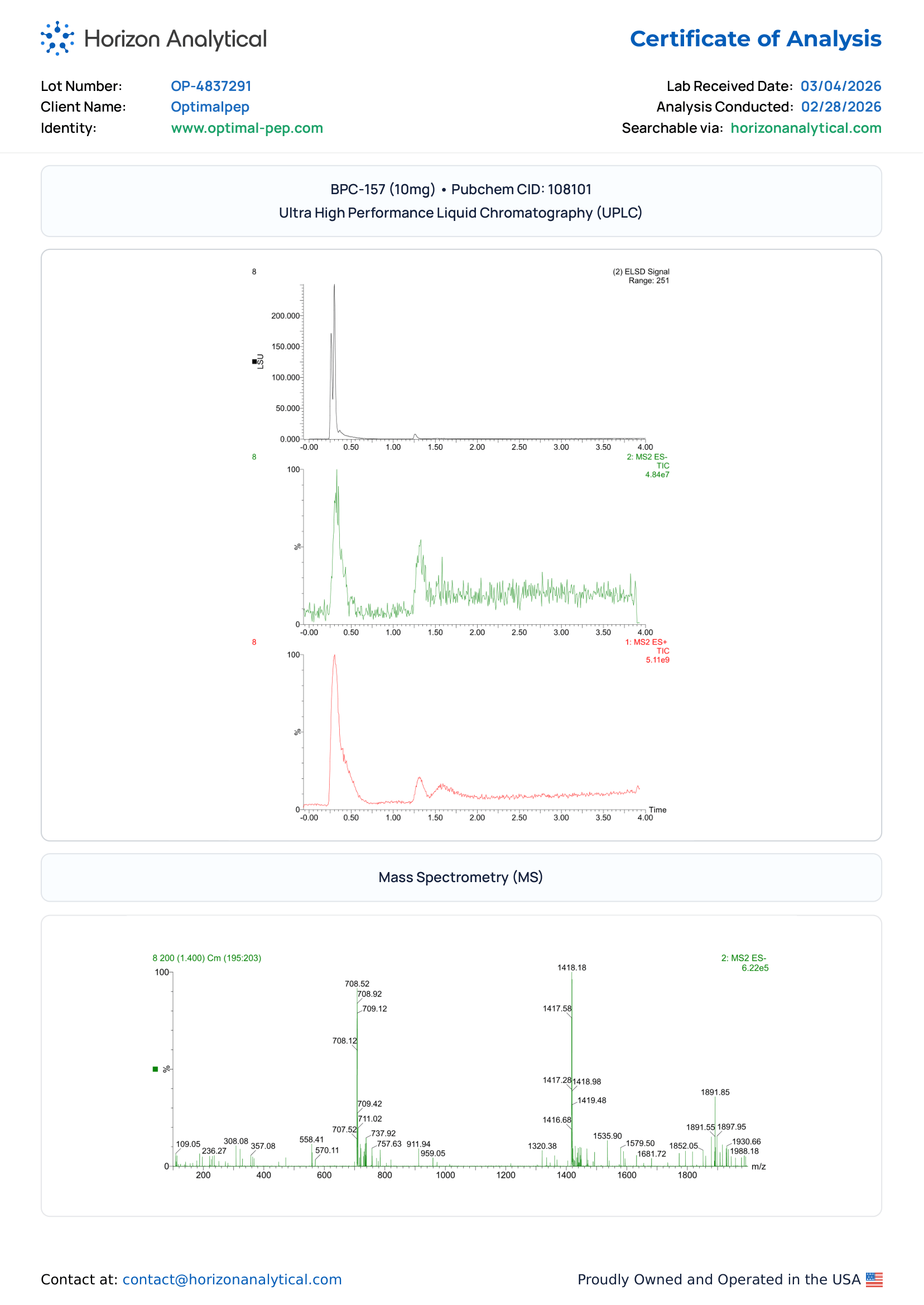
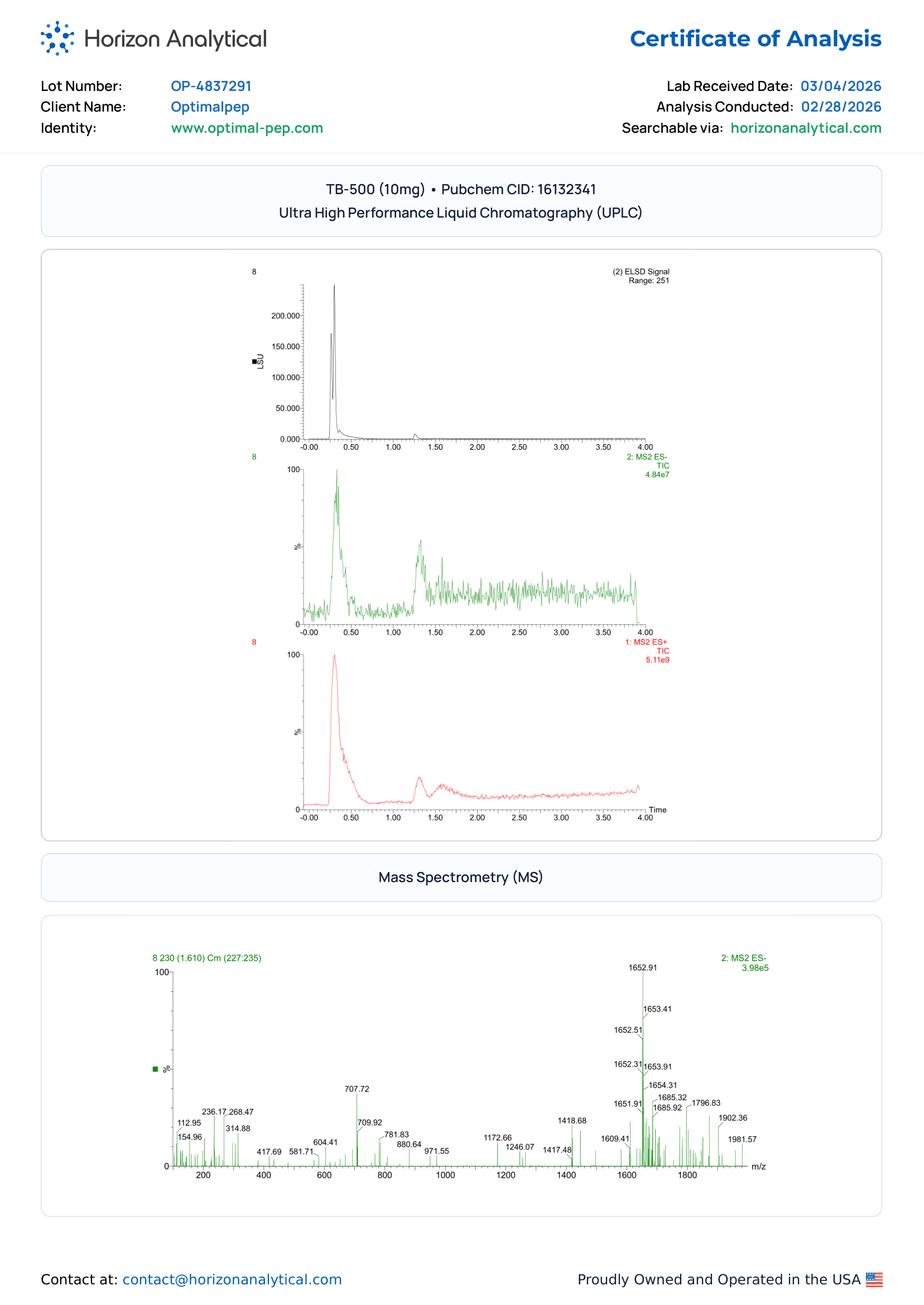
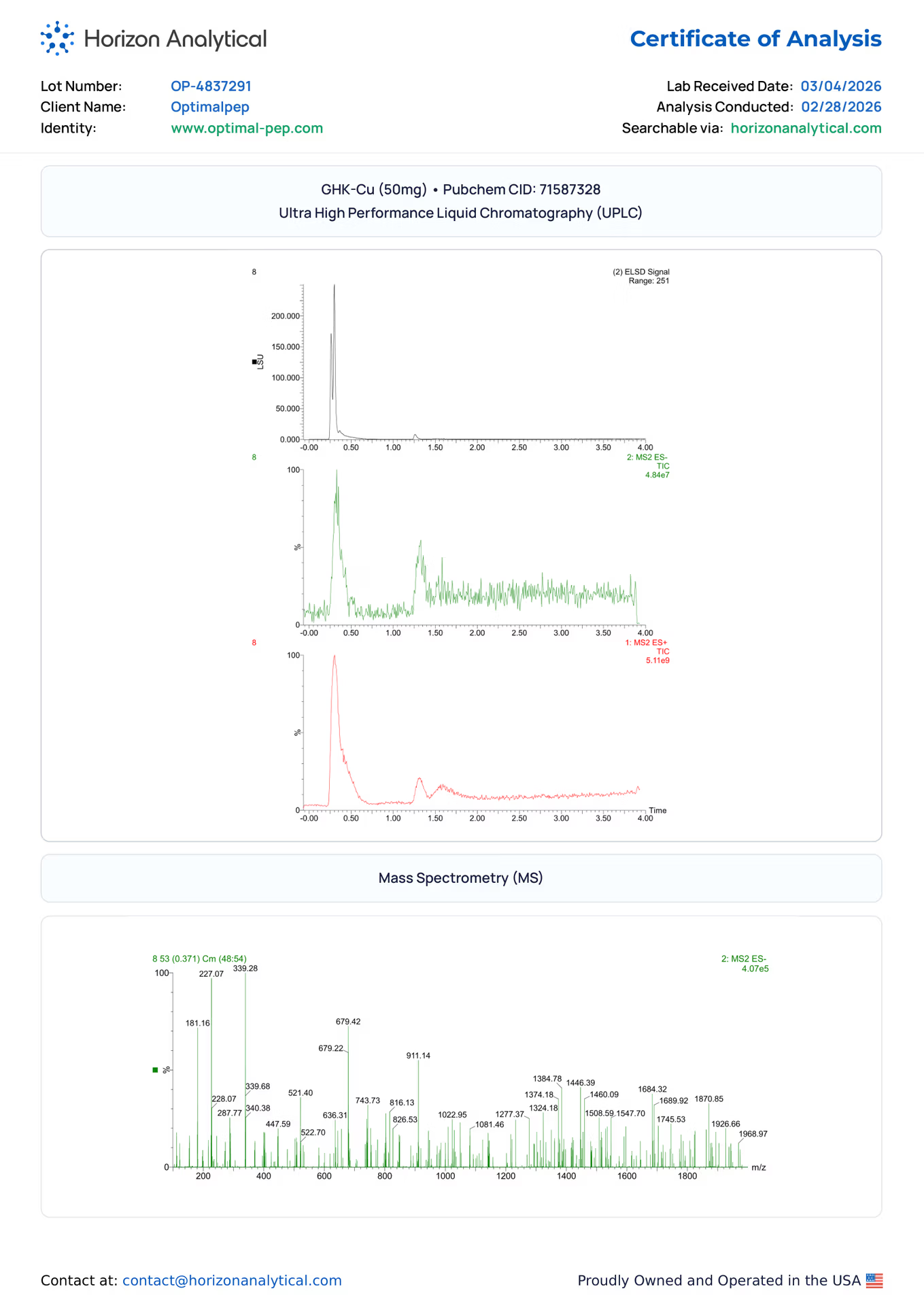
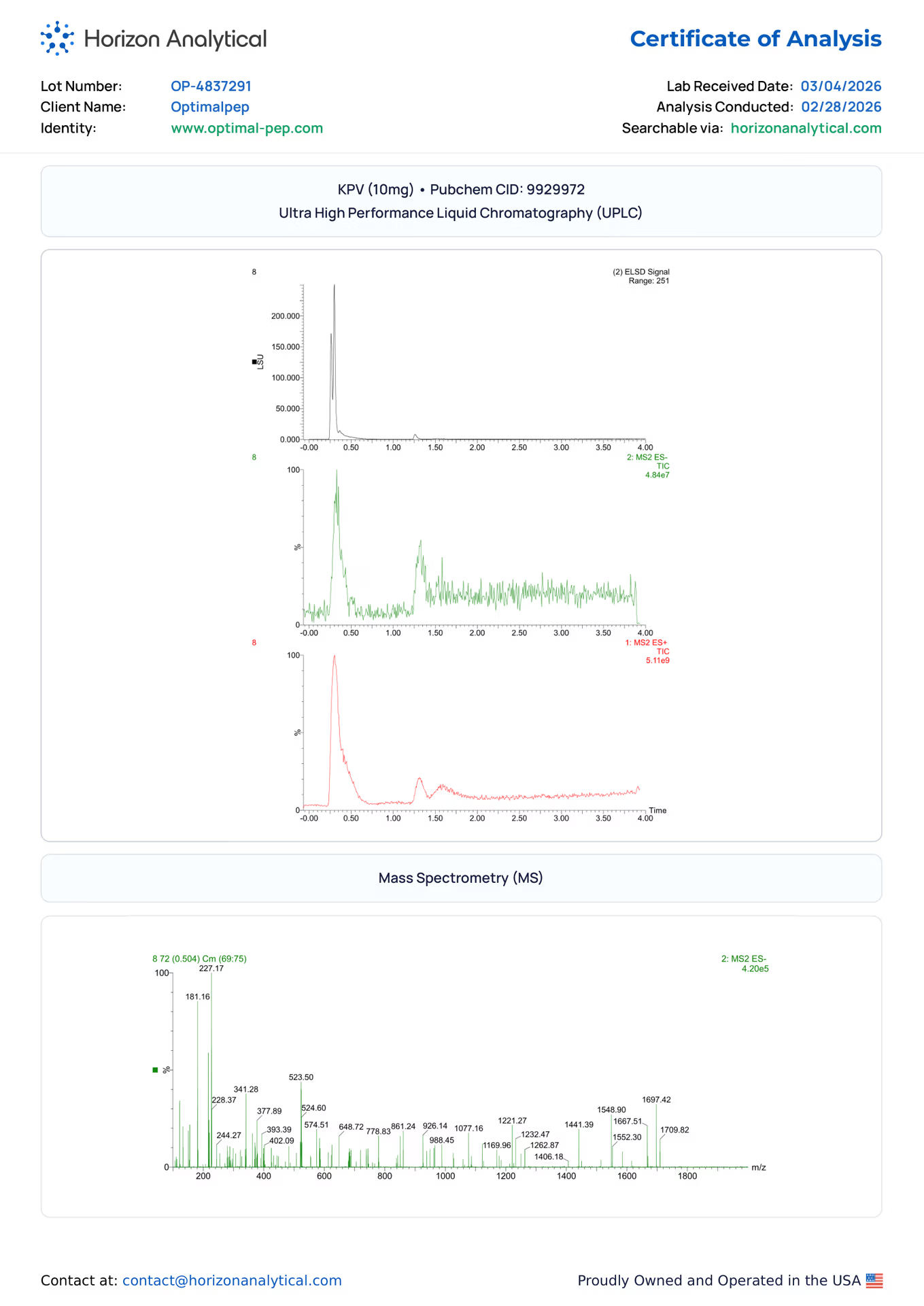
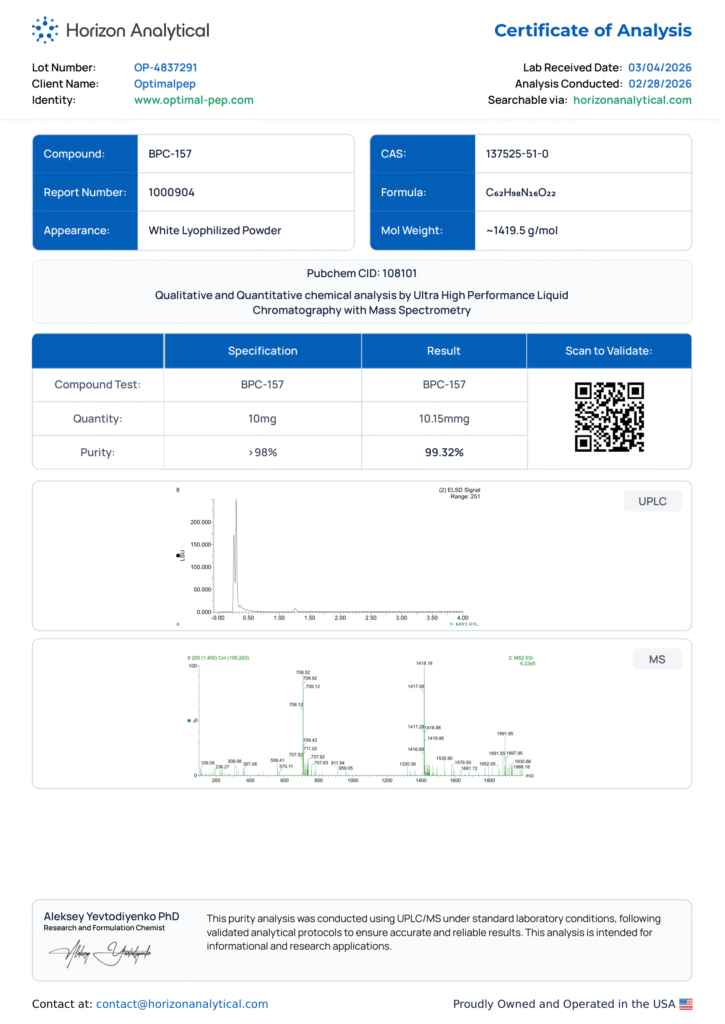
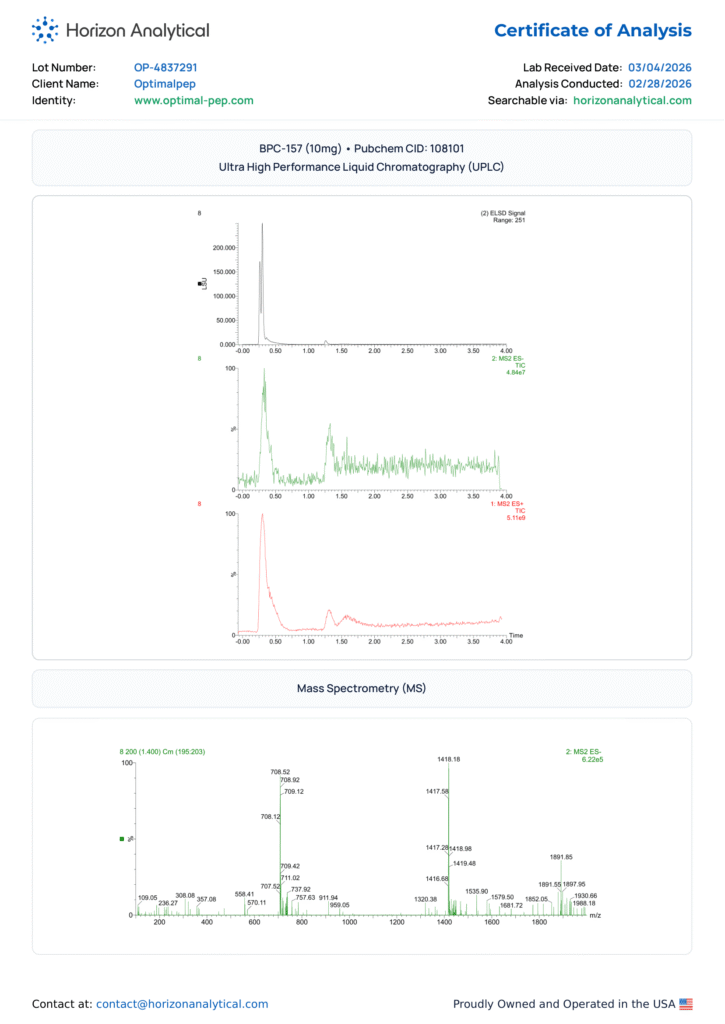
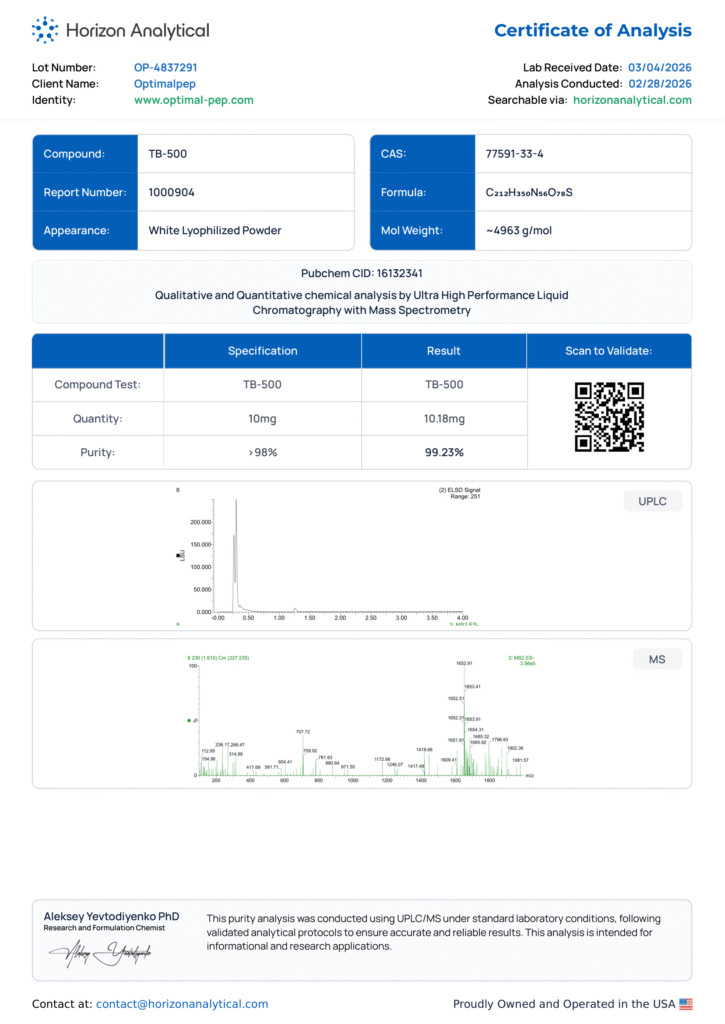
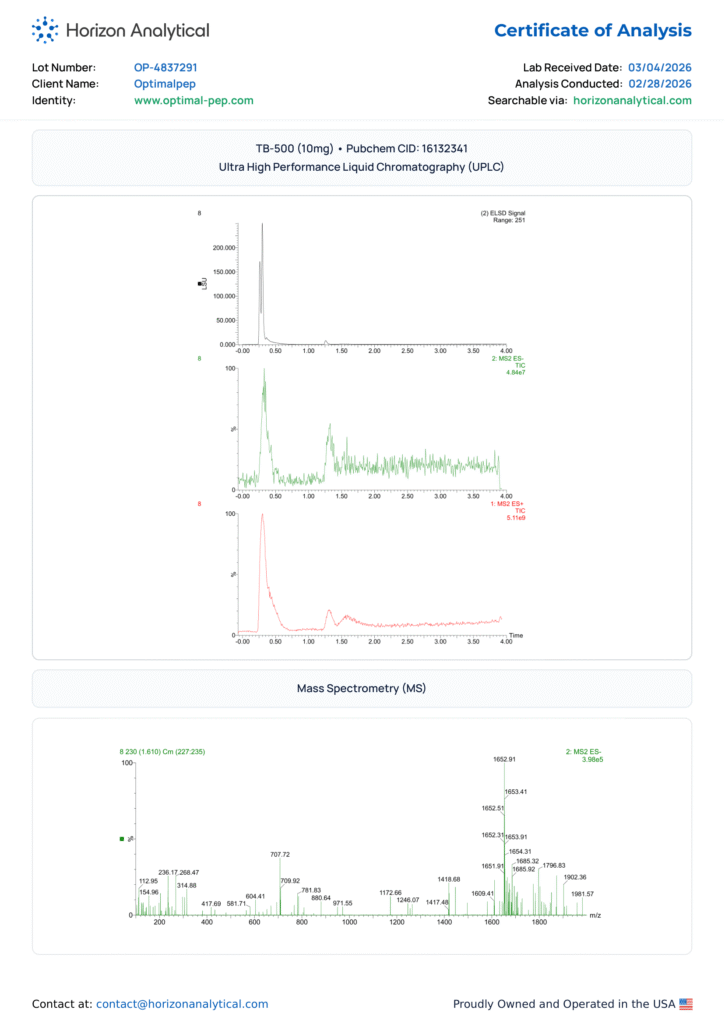
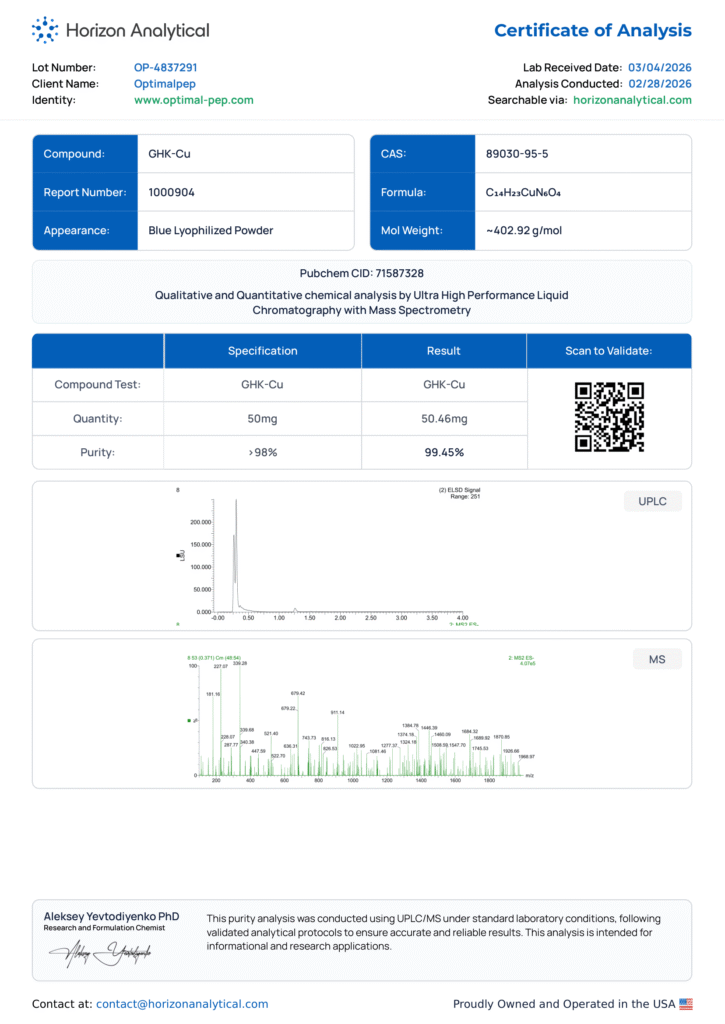
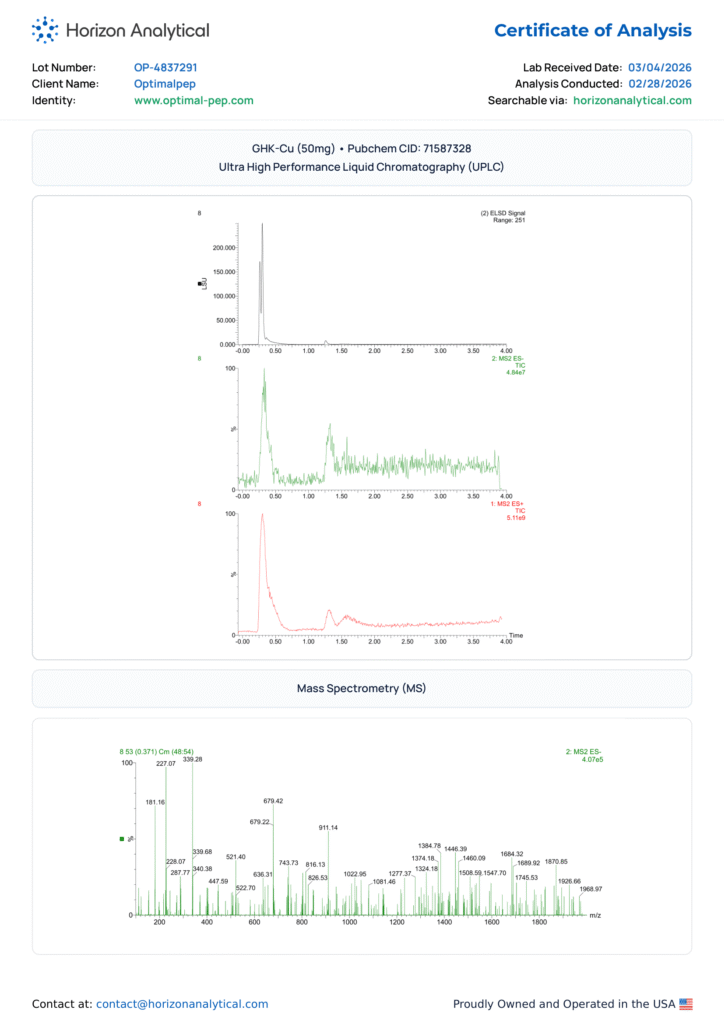
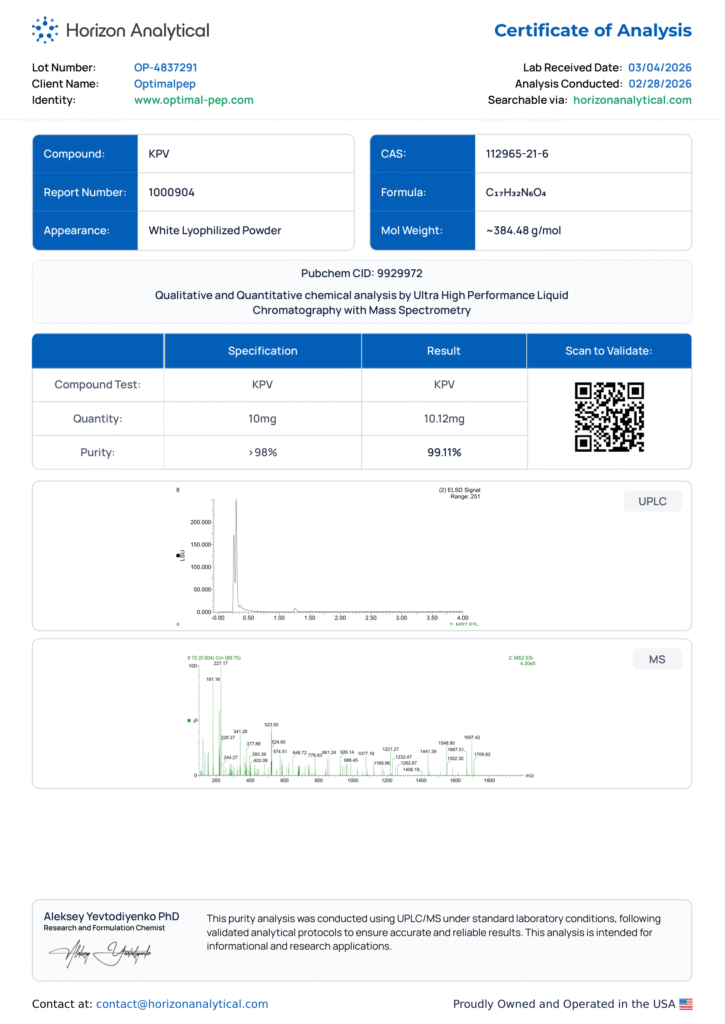
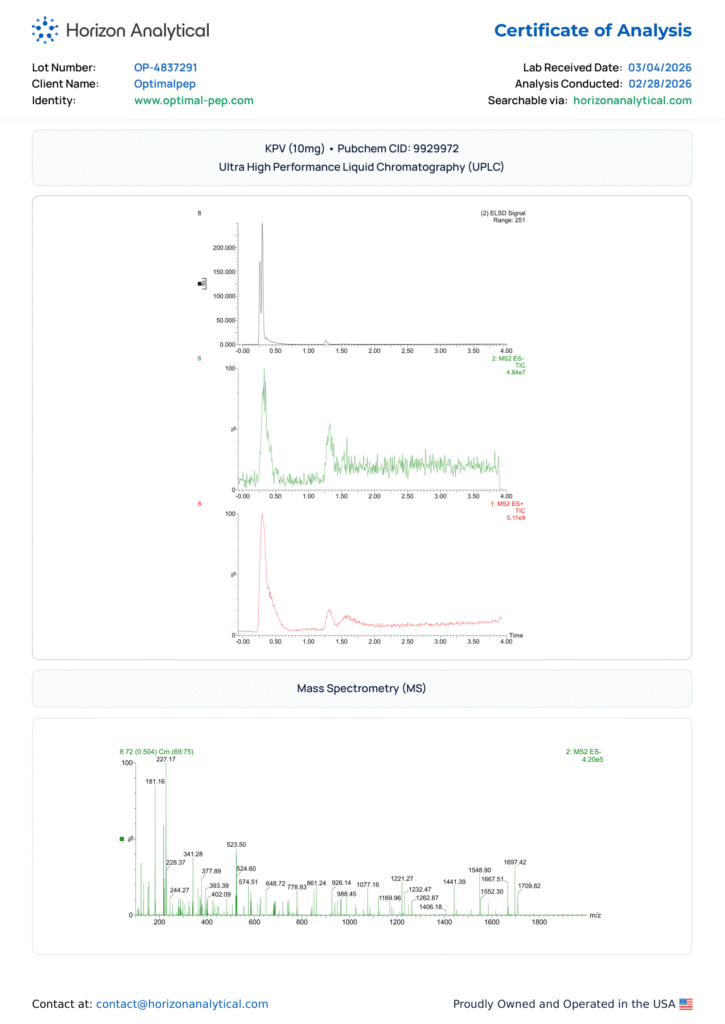
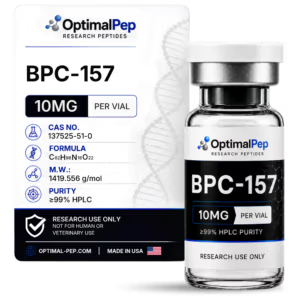
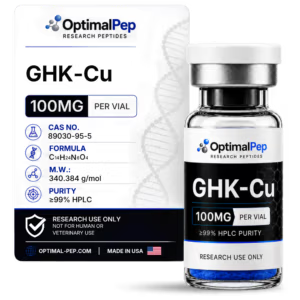
GHK-Cu 50mg, KPV 10mg, TB-500 10mg, and BPC-157 10mg,
designed for research in
systemic inflammation, tissue regeneration, and immune modulation.
Its components act on multiple biological pathways, creating a broad-spectrum model for
anti-inflammatory response and epithelial repair.
This formulation supports studies involving
mucosal integrity, oxidative balance, and cellular signaling
across
gastrointestinal, dermatological, and soft-tissue research frameworks.
Key Research Areas
🔥
Systemic inflammation and immune modulation
pathway investigations
🛠️
Tissue regeneration and epithelial repair
signaling studies
🧬
Mucosal integrity, oxidative balance, and cellular signaling
research models
📊
Gastrointestinal, dermatological, and soft-tissue
framework studies
This compound blend is frequently employed in
advanced multi-pathway research
supporting investigation of
inflammation control, epithelial repair, immune balance, and broad tissue-response dynamics
within laboratory environments.
Intended Use
📦 Format: Lyophilized powder (80mg total blend)
🧬 Composition: GHK-Cu 50mg + KPV 10mg + TB-500 10mg + BPC-157 10mg
⚠️ Use: For laboratory research use only. Not for human or veterinary use.
Why Researchers Choose This Blend
🔗
Multi-pathway coverage
supports broader anti-inflammatory, regenerative, and epithelial-signaling research than single-peptide models alone.
🧪
Broad tissue-framework utility
makes it useful for gastrointestinal, dermatological, mucosal, and soft-tissue investigations.
📈
Strong systems-research value
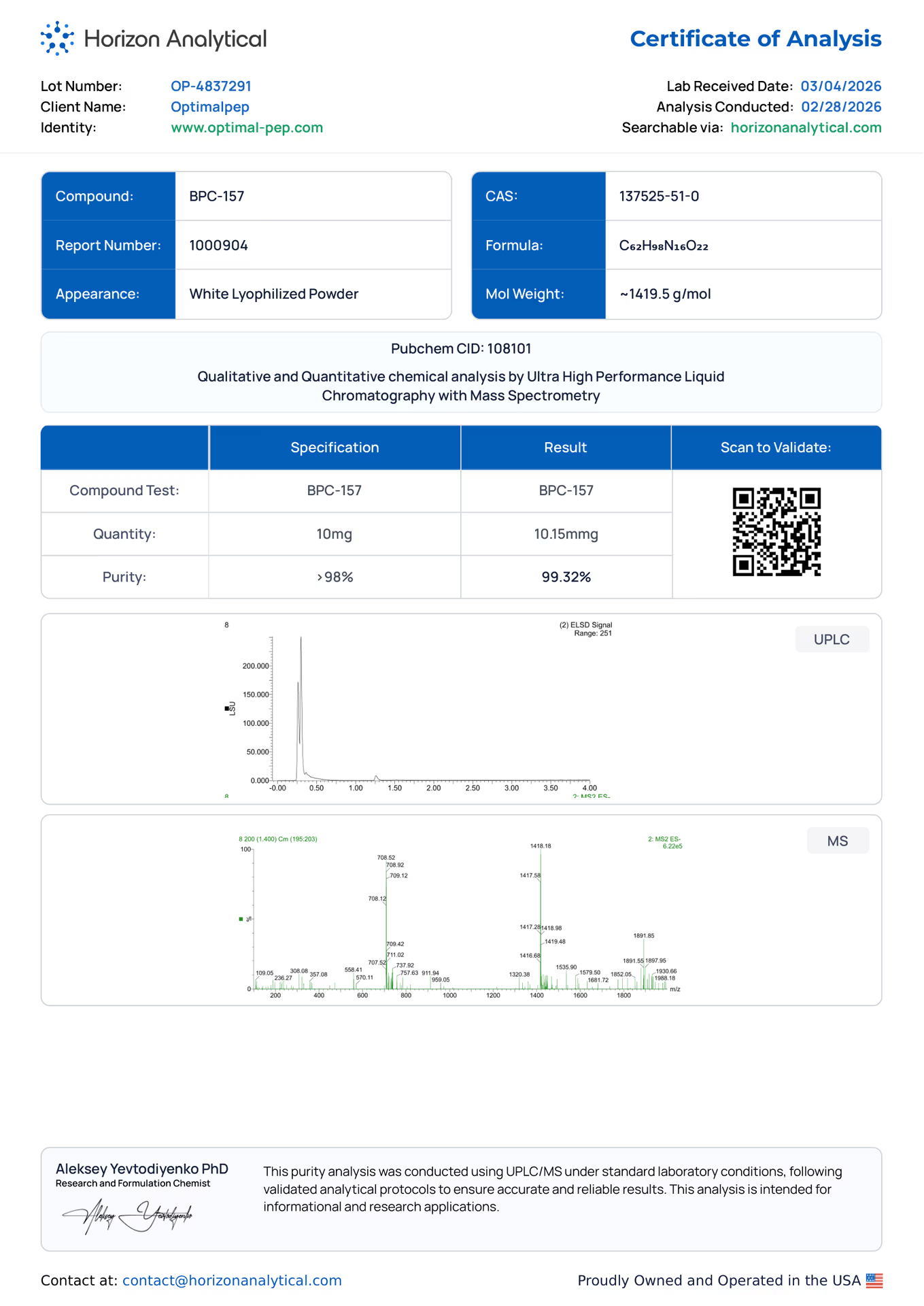
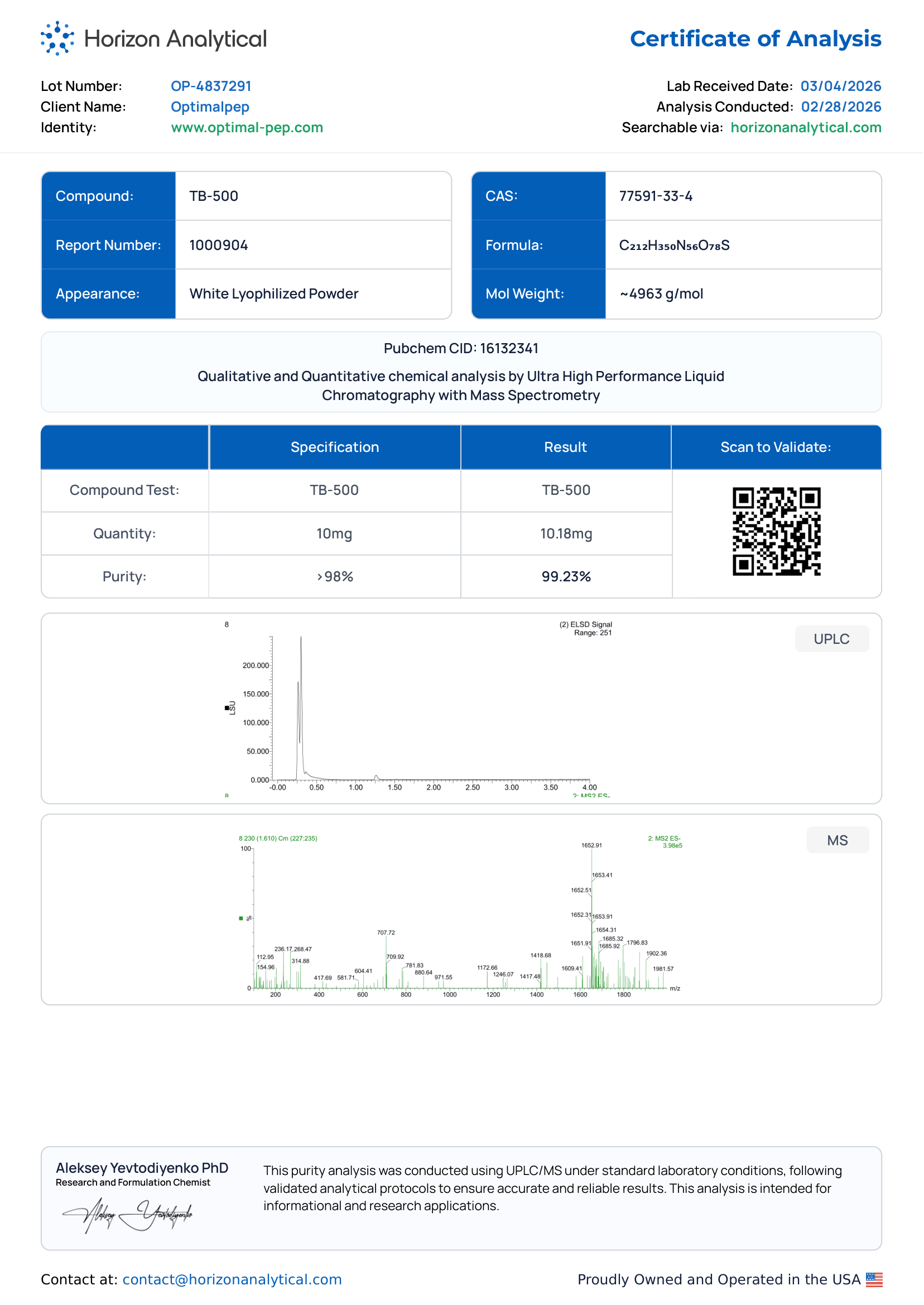
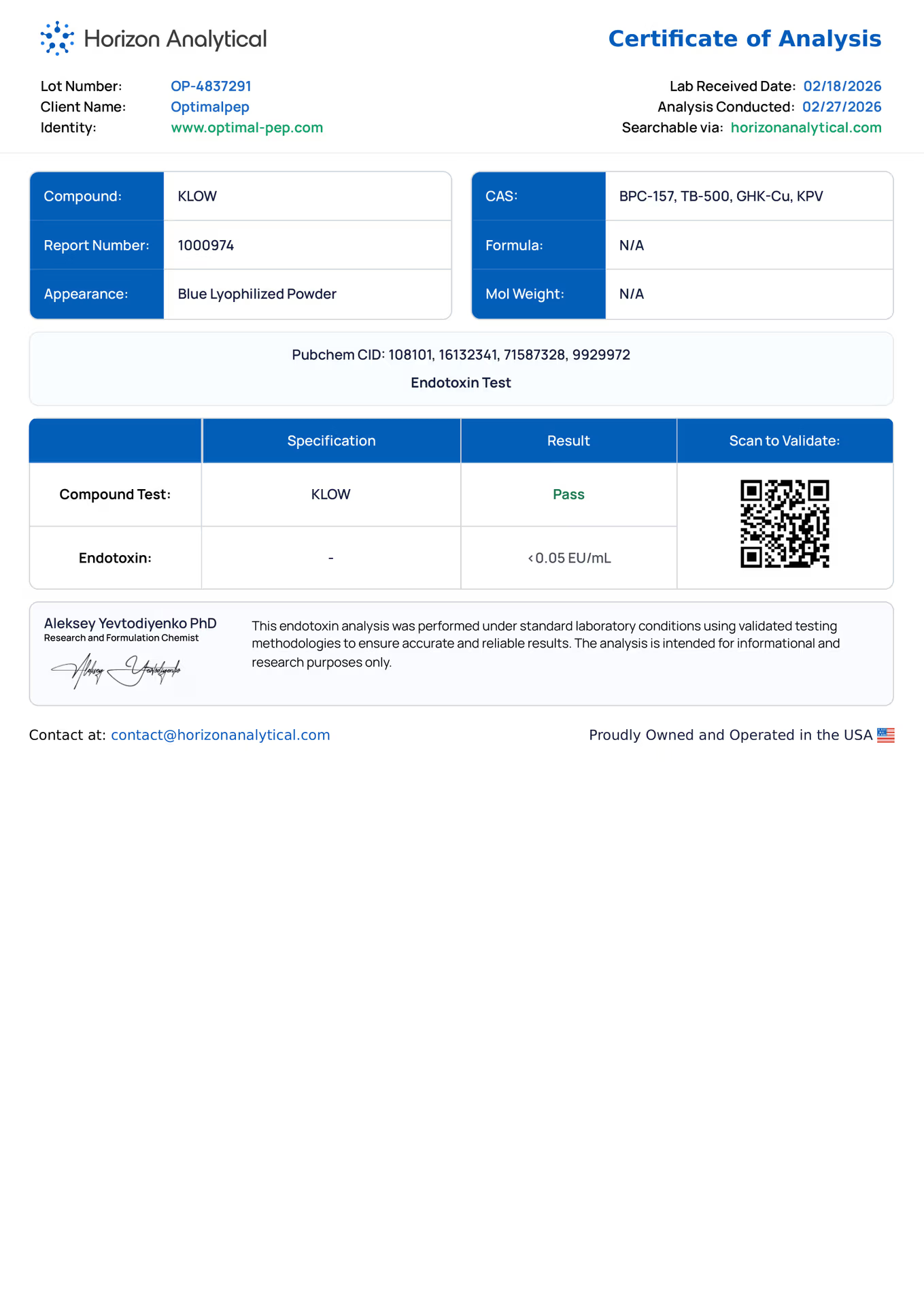
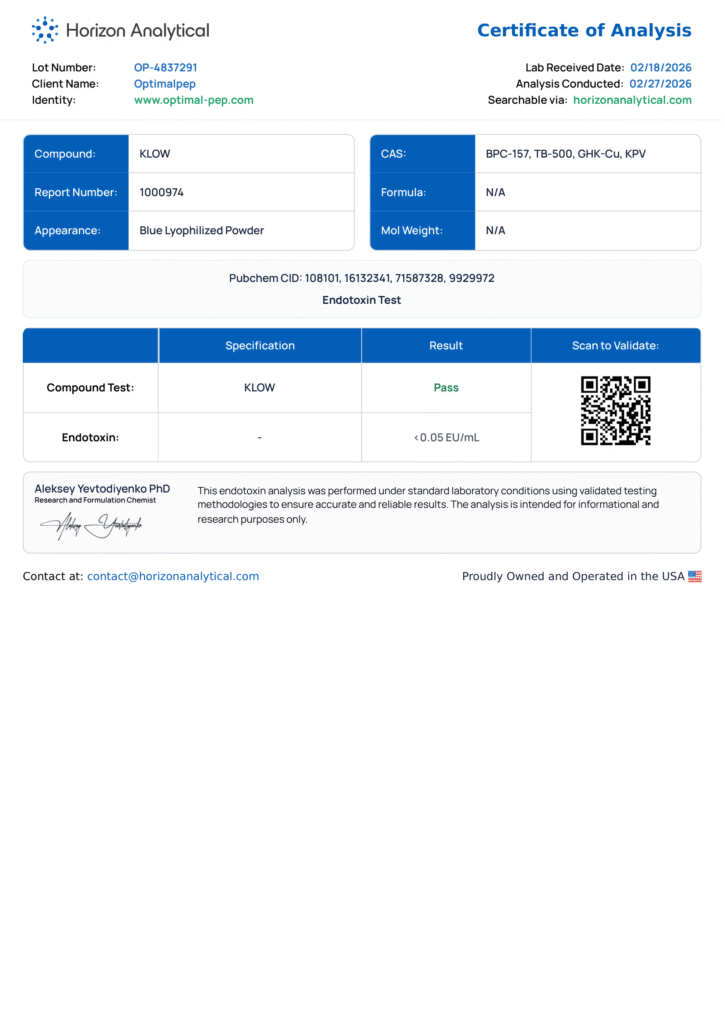
with component-specific COAs and endotoxin documentation supporting controlled experimental workflows.
Product Notes
✅ Research category: Inflammation, regeneration, and immune modulation
✅ Study context: Laboratory and controlled experimental models
✅ Blend composition: GHK-Cu 50mg + KPV 10mg + TB-500 10mg + BPC-157 10mg = 80mg total
✅ Compound focus: Multi-peptide pathway interaction across epithelial, mucosal, oxidative, and tissue-response systems