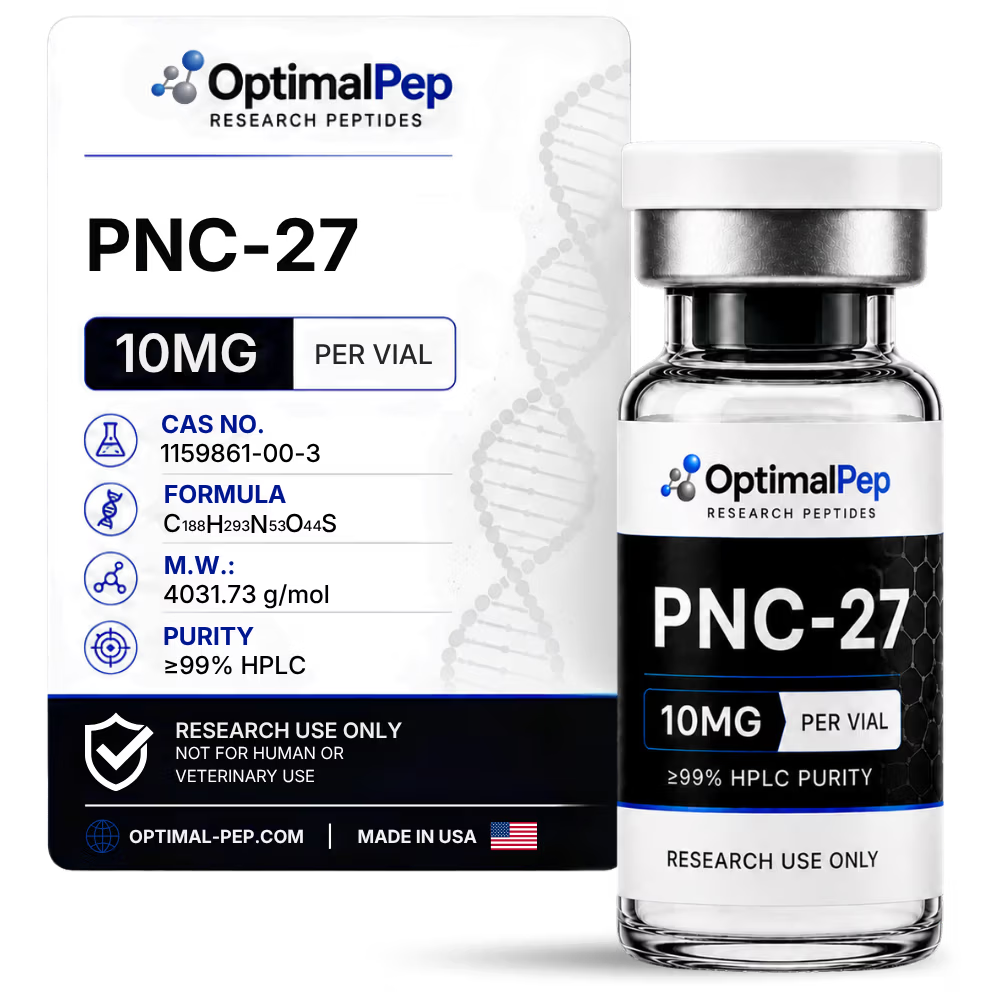
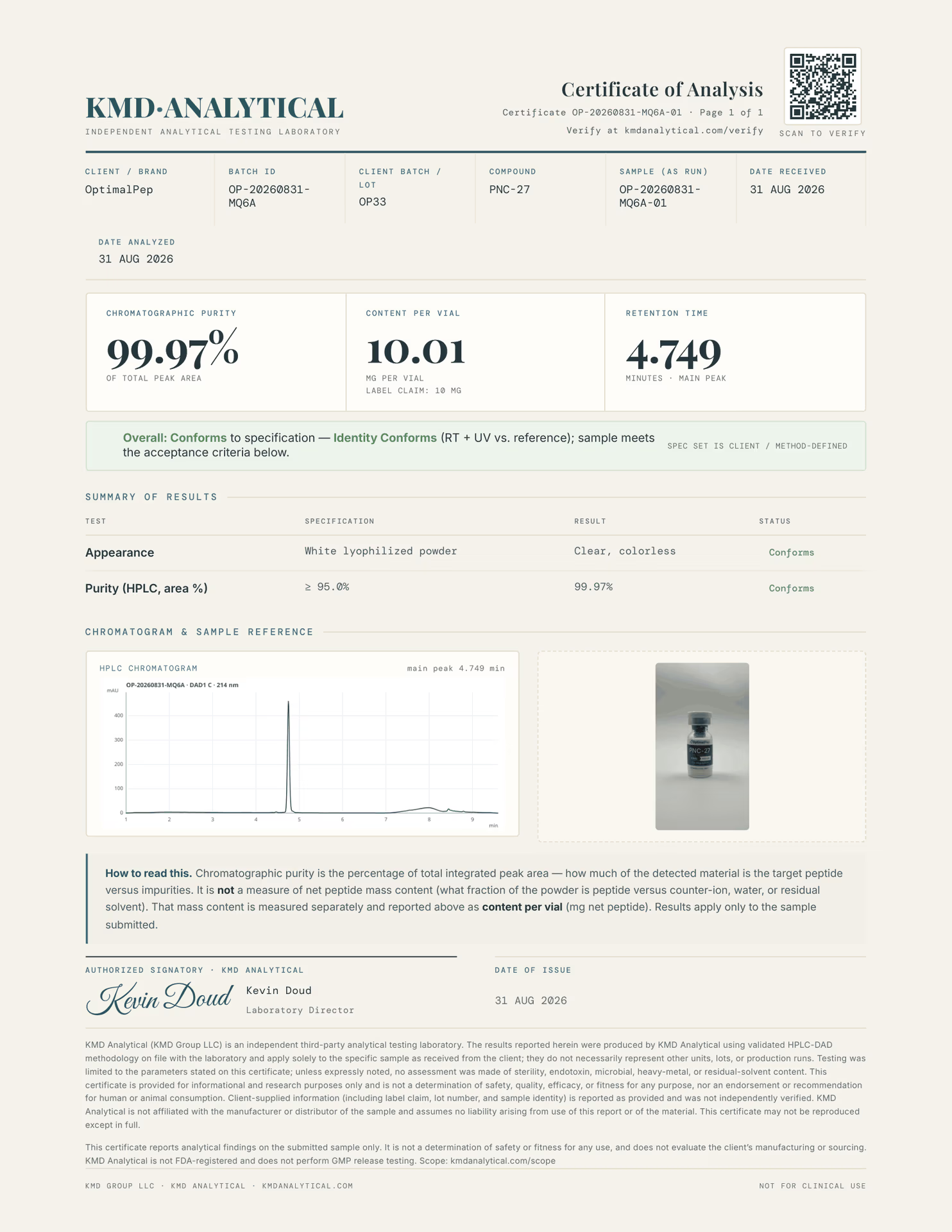
Product Description
HDM-2 Targeted Oncology Research Peptide
PNC-27 is an experimental oncology research peptide studied for its potential ability to selectively interact with malignant cells expressing HDM-2 on their surface membranes. In preclinical laboratory models, this interaction has been investigated for its association with transmembrane pore formation, leakage of intracellular contents, rapid cell lysis, and necrotic cell death.
HDM-2 is frequently studied for its role in cancer-cell biology and may be expressed at elevated levels on the outer membranes of certain transformed cells. PNC-27 research examines whether binding to this membrane-associated target can initiate direct physical disruption of the cell membrane rather than relying solely on conventional intracellular apoptosis pathways.
Laboratory studies have explored PNC-27 in multiple malignant-cell lines, including pancreatic, leukemia, cervical, and other cancer-cell models. These studies also examine its reported selectivity toward transformed cells while evaluating its interaction with normal, untransformed human fibroblast cells.
Key Research Areas
🎯
Membrane-expressed HDM-2 targeting in laboratory models examining elevated surface expression on transformed and malignant cells
🔗
PNC-27 and HDM-2 binding interactions to study targeted peptide attachment to cancer-cell surface membranes
🕳️
Transmembrane pore formation and structural membrane disruption leading to leakage of intracellular cellular contents
⚡
Rapid cell lysis and necrotic death in malignant-cell models examining direct membrane-mediated cytotoxicity
🧬
Selective malignant-cell cytotoxicity compared with normal, untransformed human fibroblast research controls
🔬
Preclinical cancer-cell investigations involving pancreatic, leukemia, cervical, and other malignant-cell laboratory lines
This 10 mg presentation supports controlled oncology research designs, making it suitable for investigations across HDM-2 membrane expression, peptide-target binding, transmembrane pore formation, cellular leakage, rapid lysis, necrosis, and selective malignant-cell cytotoxicity.
Intended Use
📦 Format: Lyophilized powder (10mg)
⚠️ Use: For laboratory research use only. Not for human or veterinary use.
Why Researchers Choose This Compound
🎯
Distinct membrane-targeting mechanism supports investigation of HDM-2 expressed on malignant-cell membranes rather than focusing exclusively on intracellular targets.
🕳️
Direct pore-formation research pathway makes it useful for examining physical membrane disruption, cellular-content leakage, and rapid tumor-cell lysis.
🧬
Selective cytotoxicity research value supports comparison between malignant-cell lines and normal, untransformed cellular controls.
📈
Broad preclinical oncology relevance offers a controlled framework for studying pancreatic, leukemia, cervical, and other cancer-cell models.
Product Notes
✅ Research category: Experimental oncology and malignant-cell targeting
✅ Study context: Laboratory and non-clinical research models
✅ Target focus: Membrane-expressed HDM-2 on transformed and malignant cells
✅ Mechanism focus: HDM-2 binding, transmembrane pore formation, cellular-content leakage, cell lysis, and necrotic death
✅ Cell-line focus: Pancreatic, leukemia, cervical, and other malignant-cell research models
✅ Validation status: Experimental compound without FDA approval or established human clinical validation