Product Description
Neuroprotective & Circadian Research Tripeptide
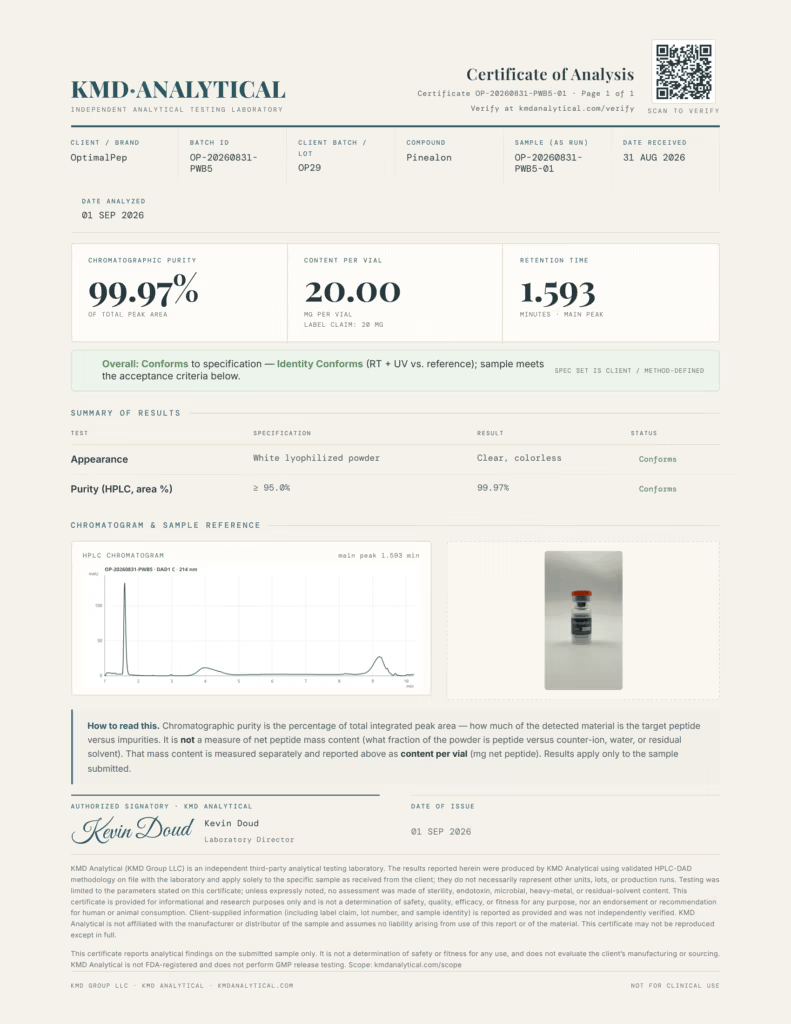
Pinealon is a synthetic short-chain tripeptide composed of glutamic acid, aspartic acid, and arginine, commonly abbreviated as Glu-Asp-Arg or EDR. It was developed as a peptide bioregulator and has been investigated primarily in research involving neuroprotection, cognitive function, brain aging, circadian regulation, and cellular stress responses.
Pinealon was developed within the Russian peptide-bioregulator research program associated with the St. Petersburg Institute of Bioregulation and Gerontology. Its short three-amino-acid structure has made it relevant to investigations examining central nervous system signaling, brain and pineal tissue responses, cellular regulation, and age-associated changes in neural function.
A primary area of Pinealon research involves neuronal protection and oxidative-stress regulation. Laboratory and animal studies have examined whether the EDR sequence can influence cellular resistance to oxidative damage, support neuron survival, and reduce markers associated with cellular injury or programmed cell death.
Cognitive research has explored Pinealon in models involving learning capacity, memory retention, mental clarity, and brain metabolism. These investigations examine how short peptide signaling may influence neural-cell function and cognitive pathways during aging or experimental cellular stress.
Because Pinealon research has included pineal tissue and neuroendocrine signaling, it is also examined in models involving circadian rhythm, sleep-wake regulation, sleep architecture, and melatonin-associated pathways. Experimental work has additionally explored relationships with neurotransmitter systems including serotonin, dopamine, and GABA.
Researchers associated with peptide bioregulation have also proposed that short peptides such as Pinealon may influence gene-expression and protein-synthesis pathways through interactions involving regulatory DNA regions. These mechanisms remain experimental and are studied largely within laboratory, animal, and aging-related research frameworks.
Key Research Areas
🧠
Neuronal protection and cellular survival in laboratory models examining neural-cell stress, cellular damage, and age-associated decline
🛡️
Oxidative-stress regulation in research examining free-radical activity, cellular injury, oxidative balance, and neuronal resilience
📚
Memory and learning pathways in preclinical models examining information retention, cognitive performance, and learning capacity
⚡
Brain metabolism and mental-clarity research involving neural-cell function, cognitive signaling, and metabolic support within brain tissue
🌙
Circadian rhythm and sleep-wake regulation in research examining pineal signaling, sleep architecture, biological timing, and daily rhythm synchronization
🌌
Melatonin-associated and pineal pathways in experimental models examining neuroendocrine timing and normal sleep-related signaling
🔗
Serotonin, dopamine, and GABA signaling in animal and in-vitro models examining neurotransmitter balance and neurological regulation
🧬
Gene-expression and protein-synthesis regulation in experimental peptide-bioregulator research involving DNA regulatory regions and cellular protein expression
⏳
Brain aging and cellular longevity in models examining age-related neural decline, cellular resilience, cognitive preservation, and nervous-system function
This 20 mg presentation supports controlled neuroprotection, cognition, circadian, and peptide-bioregulation research designs, making it suitable for investigations across neuronal survival, oxidative stress, brain metabolism, memory, learning, mental clarity, circadian rhythms, sleep-wake signaling, pineal pathways, serotonin, dopamine, GABA, gene expression, protein synthesis, brain aging, and cellular resilience.
Intended Use
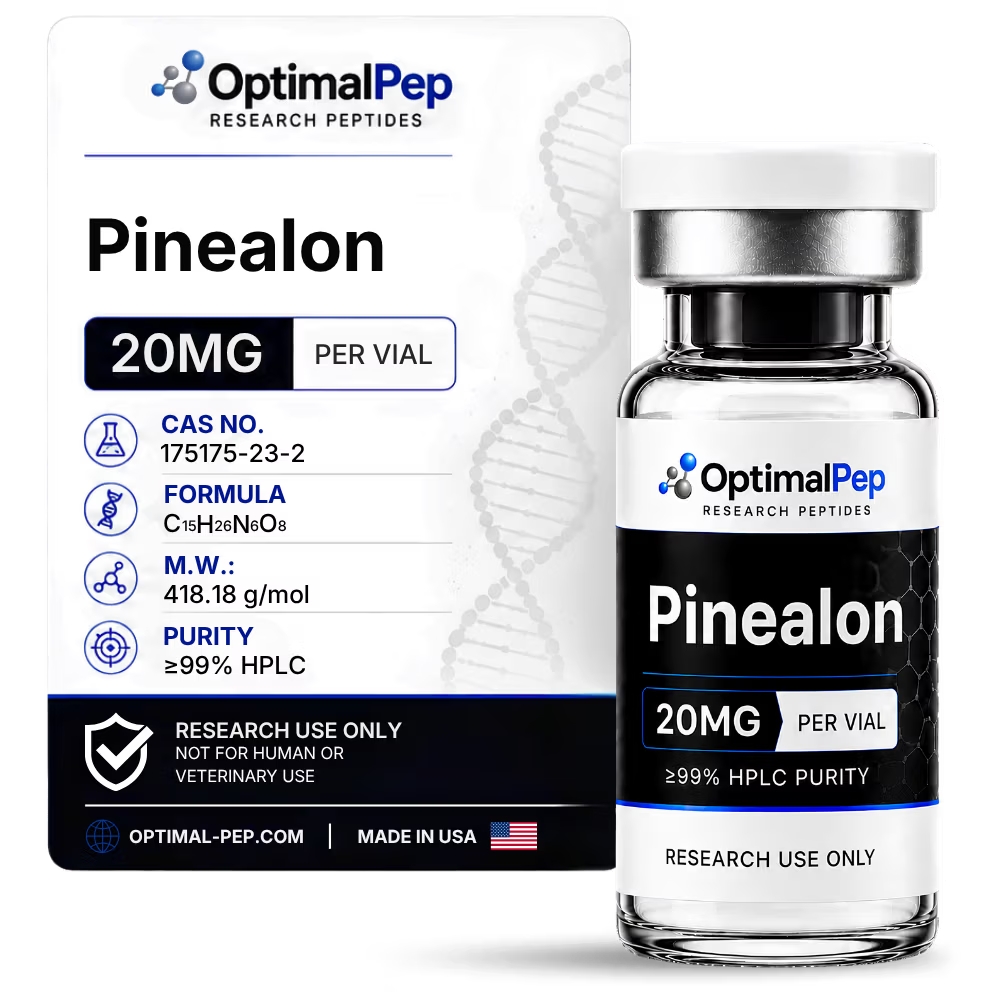
📦 Format: Lyophilized powder (20mg)
🧬 Compound: Pinealon (Glu-Asp-Arg / EDR tripeptide)
⚠️ Use: For laboratory research use only. Not for human or veterinary use.
Why Researchers Choose This Compound
🧠
Defined neurological research relevance supports investigation of neuronal survival, oxidative-stress resistance, brain metabolism, and age-associated neural function.
📚
Cognitive research utility provides a framework for studying memory retention, learning capacity, mental clarity, and cognitive signaling.
🌙
Circadian and pineal research value supports investigations involving sleep-wake cycles, biological timing, sleep architecture, and melatonin-associated signaling.
🔗
Broad neurotransmitter research relevance offers a controlled framework for examining serotonin, dopamine, GABA, and related neurological signaling pathways.
🧬
Peptide-bioregulation research utility supports experimental investigation of gene-expression, protein-synthesis, cellular aging, and regulatory DNA-associated signaling mechanisms.
Product Notes
✅ Research category: Neuroprotection, cognition, circadian signaling, peptide bioregulation, and brain aging
✅ Study context: Laboratory and preclinical research models
✅ Peptide class: Synthetic short-chain tripeptide
✅ Sequence: Glu-Asp-Arg (EDR)
✅ Neurological focus: Neuronal survival, oxidative-stress regulation, cellular protection, brain metabolism, and age-related neural function
✅ Cognitive focus: Learning capacity, memory retention, mental clarity, and cognitive signaling
✅ Circadian focus: Pineal pathways, sleep-wake cycles, sleep architecture, biological timing, and melatonin-associated signaling
✅ Neurotransmitter focus: Serotonin, dopamine, GABA, and neurological regulatory pathways
✅ Bioregulation focus: Gene-expression, DNA regulatory-region interactions, protein synthesis, cellular aging, and longevity-associated neural research
✅ Validation status: Experimental research compound without FDA approval for human use