Product Description
Dual-Peptide Tissue Repair & Inflammation Research Blend
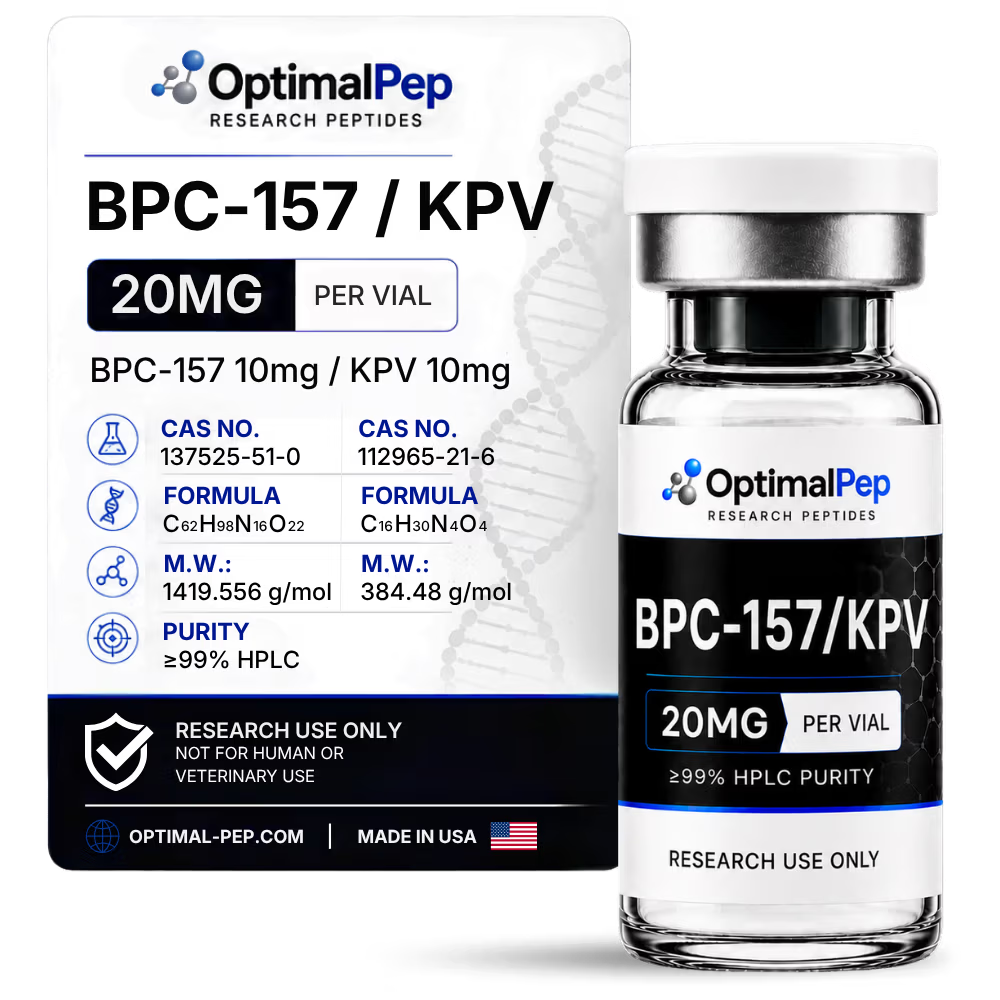
BPC/KPV is a specialized dual-peptide research blend containing BPC-157 10mg and KPV 10mg. The formulation is designed for laboratory investigations involving accelerated tissue repair, inflammatory-pathway regulation, angiogenesis, soft-tissue recovery, gastrointestinal-barrier support, and mucosal healing.
BPC-157 is studied in models involving tendon, ligament, muscle, bone, cartilage, and gastrointestinal repair. Experimental research examines its influence on collagen-associated healing, cellular growth, growth-hormone-receptor expression, new blood-vessel formation, and functional tissue recovery following injury.
Gastrointestinal research involving BPC-157 examines its relationship with intestinal-lining integrity, mucosal repair, ulcer-associated damage, and tissue responses to nonsteroidal anti-inflammatory drugs. It is also investigated for local and systemic effects on inflammatory signaling, swelling, and tissue discomfort in non-clinical models.
BPC-157 research also explores angiogenesis, bone-matrix deposition, fracture-associated repair, and systemic or localized inflammatory signaling. These pathways are relevant to laboratory models examining how new blood-vessel formation may support oxygen and nutrient delivery during tissue recovery.
When studied together, BPC-157 and KPV provide a dual-pathway framework involving structural tissue repair, gastrointestinal integrity, inflammatory control, epithelial recovery, and immune-response signaling.
KPV is a tripeptide derived from the natural alpha-melanocyte-stimulating hormone sequence and studied primarily for anti-inflammatory, gastrointestinal, antimicrobial, skin, and mucosal-support pathways. Research examines its ability to enter target cells and inhibit NF-κB-associated signaling, a central pathway involved in the expression of inflammatory mediators.
KPV research also includes models of intestinal inflammation, tight-junction integrity, mucosal repair, mast-cell signaling, histamine-associated responses, and inflammatory skin conditions. These combined areas make the blend relevant to integrated soft-tissue, gut, immune, antimicrobial, and wound-healing research frameworks.
Most supporting evidence for these research compounds comes from laboratory, animal, and other preclinical models. Large-scale controlled human clinical data remain limited.
Key Research Areas
🦴
Tendon and ligament repair in models examining damaged collagen fibers, cellular growth, growth-hormone-receptor expression, and connective-tissue recovery
💪
Muscle regeneration and functional recovery in preclinical research involving skeletal-muscle trauma, cellular growth, and tissue restoration
🦿
Bone and cartilage repair in research involving angiogenesis, bone-matrix deposition, fracture-associated healing, and connective-tissue remodeling
🩸
Angiogenesis and tissue perfusion through investigation of new blood-vessel formation and delivery of oxygen and nutrients to injured tissue
🧬
Collagen-associated repair and cellular growth in models examining damaged tendon, ligament, muscle, connective tissue, and wound sites
🔥
Systemic and localized inflammatory regulation in research involving swelling, inflammatory mediators, tissue stress, and recovery-associated signaling
🧪
Antimicrobial and epithelial-response pathways in research examining KPV-associated cellular defense, mucosal integrity, and tissue-surface recovery
🧫
Gut-lining and mucosal repair in gastrointestinal models involving intestinal inflammation, ulcers, NSAID-associated damage, epithelial recovery, and mucosal integrity
🔗
Tight-junction integrity in laboratory models examining intestinal permeability, epithelial-barrier function, and leaky-gut-associated pathways
⚙️
NF-κB pathway inhibition in cellular models examining suppression of inflammatory signaling at an intracellular regulatory level
🛡️
Mast-cell and immune-response signaling in research involving histamine-associated reactions, immune activation, and systemic inflammatory responses
🩹
Skin and wound healing in experimental models involving epithelial repair and inflammatory pathways associated with acne, eczema, psoriasis, and damaged skin
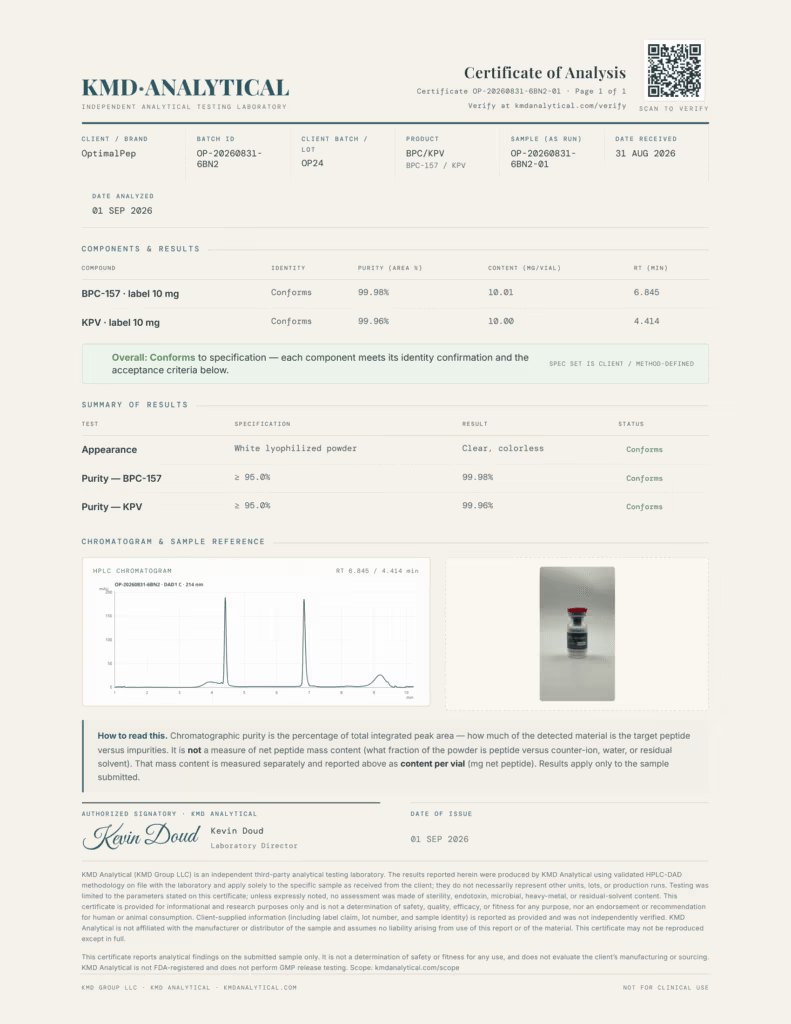
This 20 mg presentation supports controlled multi-pathway repair, inflammation, and gastrointestinal research designs, making it suitable for investigations across tendon and ligament repair, muscle regeneration, bone and cartilage healing, angiogenesis, collagen-associated repair, systemic inflammation, antimicrobial pathways, mucosal repair, intestinal tight junctions, NF-κB signaling, mast-cell activity, skin repair, and wound-healing pathways.
Intended Use
📦 Format: Lyophilized powder (20mg total)
🧪 Blend: BPC-157 10mg / KPV 10mg
⚠️ Use: For laboratory research use only. Not for human or veterinary use.
Why Researchers Choose This Blend
🔗
Complementary dual-pathway coverage combines BPC-157 and KPV in one formulation for tissue, inflammatory, gastrointestinal, immune, antimicrobial, and epithelial research.
🛠️
Broad soft-tissue research utility supports laboratory studies involving tendon, ligament, muscle, bone, cartilage, angiogenesis, collagen-associated repair, and wound healing.
🧫
Integrated gut and epithelial relevance provides a framework for examining intestinal inflammation, mucosal repair, tight-junction integrity, NSAID-associated damage, and gastrointestinal-barrier signaling.
🔥
Advanced inflammatory-pathway value supports investigations involving NF-κB signaling, mast-cell activity, histamine-associated responses, swelling, immune modulation, and systemic inflammation.
📈
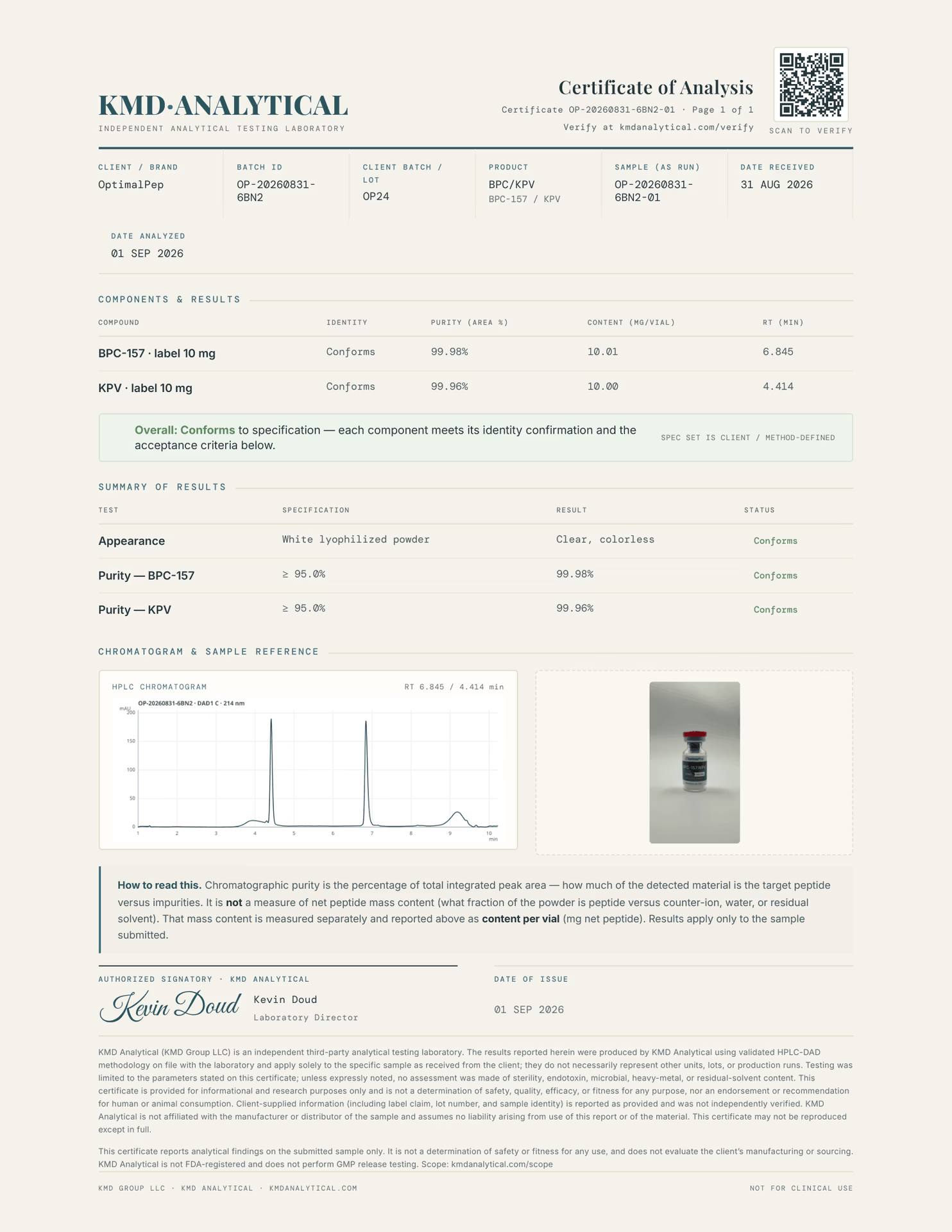
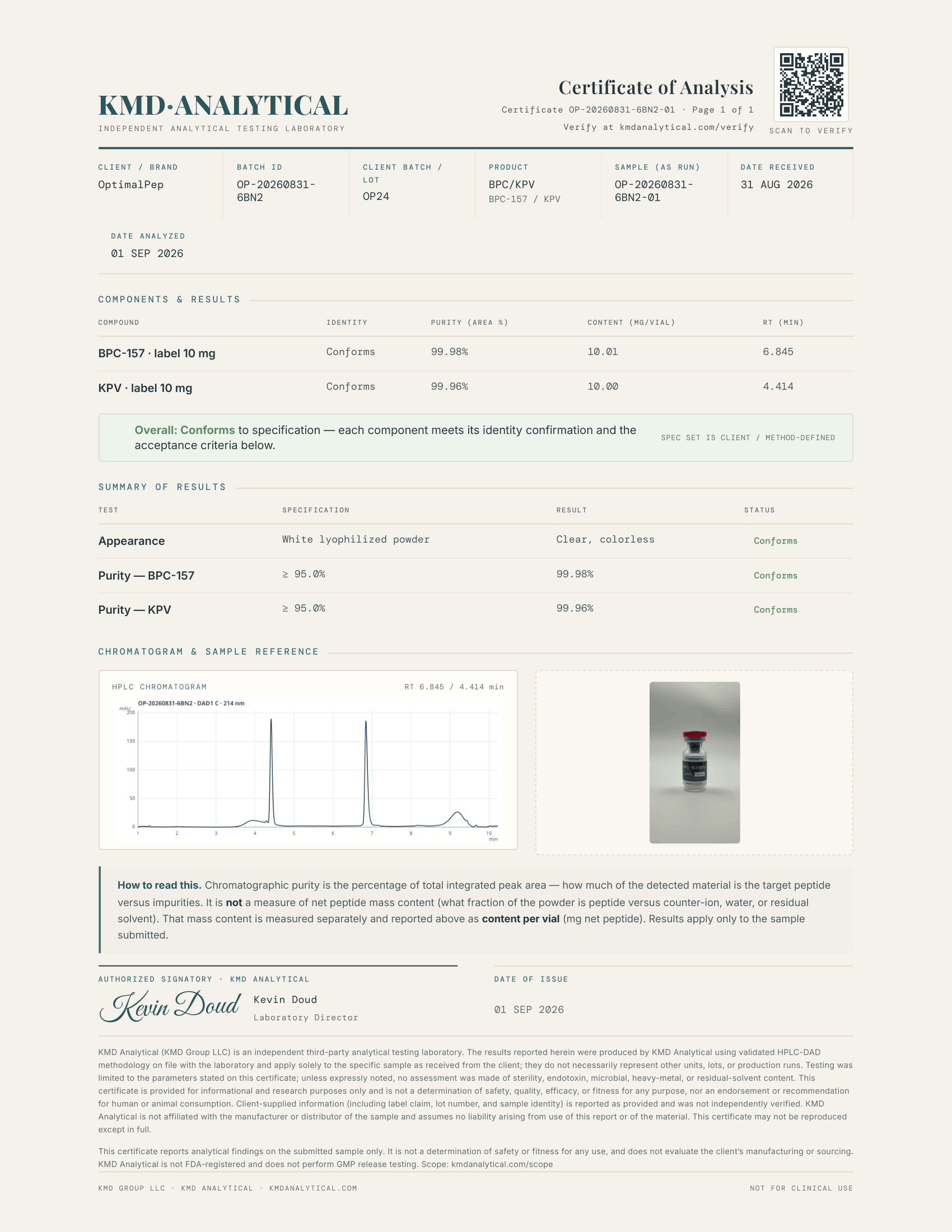
Documented research workflow support with a purity COA available for controlled laboratory evaluation.
Product Notes
✅ Research category: Soft-tissue repair, inflammation, angiogenesis, gastrointestinal integrity, immune signaling, antimicrobial pathways, and wound healing
✅ Study context: Laboratory, animal, and other controlled preclinical research models
✅ Blend composition: BPC-157 10mg and KPV 10mg
✅ Soft-tissue focus: Tendon, ligament, muscle, connective tissue, collagen-associated repair, and functional recovery
✅ Structural focus: Bone, cartilage, angiogenesis, tissue perfusion, matrix deposition, and fracture-healing research
✅ Gastrointestinal focus: Intestinal lining, mucosal repair, ulcers, tight junctions, epithelial permeability, and NSAID-associated tissue damage
✅ Inflammatory focus: NF-κB signaling, local and systemic inflammation, swelling, mast-cell activity, and histamine-associated responses
✅ Dermatological focus: Skin repair and inflammatory pathways associated with acne, eczema, psoriasis, and wound healing
✅ Evidence status: Supporting research is predominantly laboratory, animal, and preclinical; large-scale human clinical data remain limited